
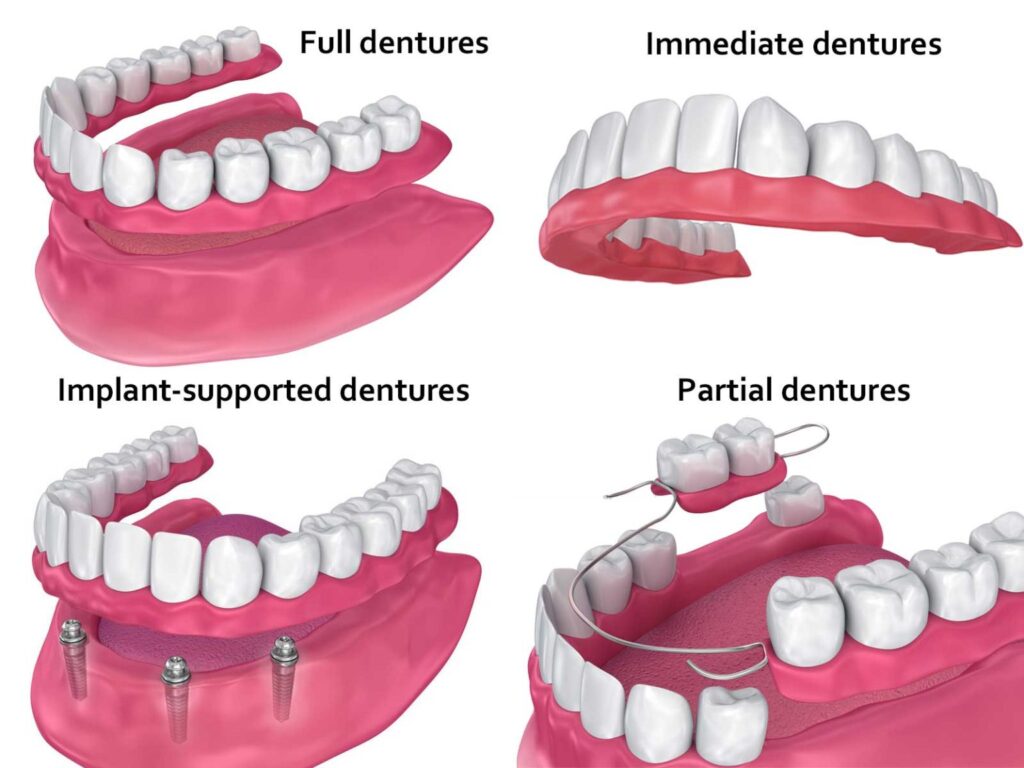
Dentures are removable artificial teeth meant for replacing one or more missing teeth that help restore a smile. Dentists offer different types of dentures for patients to enhance their oral health effectively. However, it is important to keep in mind that dentures require proper care. Improper cleaning or maintenance can lead to infections, irritation, and faster wear that can affect the quality of them. Therefore, cleaning dentures will result in many advantages that help achieve better results.
How does one clean dentures properly?
1. Rinsing dentures after every meal
One should take out dentures after every meal and rinse them under running water. This, in turn, gives ways to wash away loose food and provides ways to prevent bits from sticking or settling. Furthermore, it prevents bacteria from hardening on the surface, which gives ways to clean easily at night.
2. Using a gentle brush
Using a soft-bristled toothbrush or a purpose-made denture brush will help scrub dentures, which removes plaque without scratching the acrylic or porcelain. Brushing all surfaces, including the teeth, gums, and inside of dentures, will help remove stains, bacteria, plaque, etc.
3. Choosing non-abrasive cleaners
Not all cleaners are the same, and one should consider selecting a non-abrasive cleaner that is specifically formulated for dentures. On the other hand, it is advisable to avoid regular toothpaste or hard brushes, because they can damage the surface of dentures.
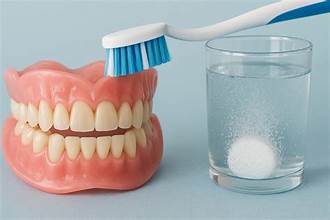
4. Soaking dentures overnight
Most dentures need moisture to maintain their shapes, and one should consider using a recommended denture-soaking solution or plain water to get the desired outcomes. Overnight soaking prevents warping and kills bacteria that brushing may miss.
5. Avoiding whitening products
Whitening products often contain abrasive particles or bleaching agents because they might result in micro-scratches and discolor the acrylics. This will lead to stains and plaque build-up.
6. Handling dentures with care
Accidental drops of dentures can lead to cracks and chips that will result in damage. Hence, one should hold a denture above a folded towel or a sink full of water after dropping it.
7. Cleaning denture adhesives
While removing denture adhesive, it is necessary to cleanse the underside part by using a soft brush and mild soap. Also, one should follow the instructions provided by an adhesive brand, which helps keep the dentures in a perfect state.
8. Brushing the gums and teeth
Cleaning the gums, tongue, and remaining natural teeth can help relieve irritation, bad smells, bacteria, etc. It improves the fit and feel of dentures, thereby helping to improve oral health of a person.
9. Removing dentures before bed
Removing dentures before bed provides ways to prevent bacterial growth and the risk of oral infections considerably. It is generally recommended to remove dentures before going to bed to minimize unwanted issues.
10. Rinsing again before wearing dentures
Rinsing dentures before wearing will help enhance mouth conditions, and those who use a cleaning solution should follow the practice regularly. This will help avoid gum irritation and other problems to a greater extent.