
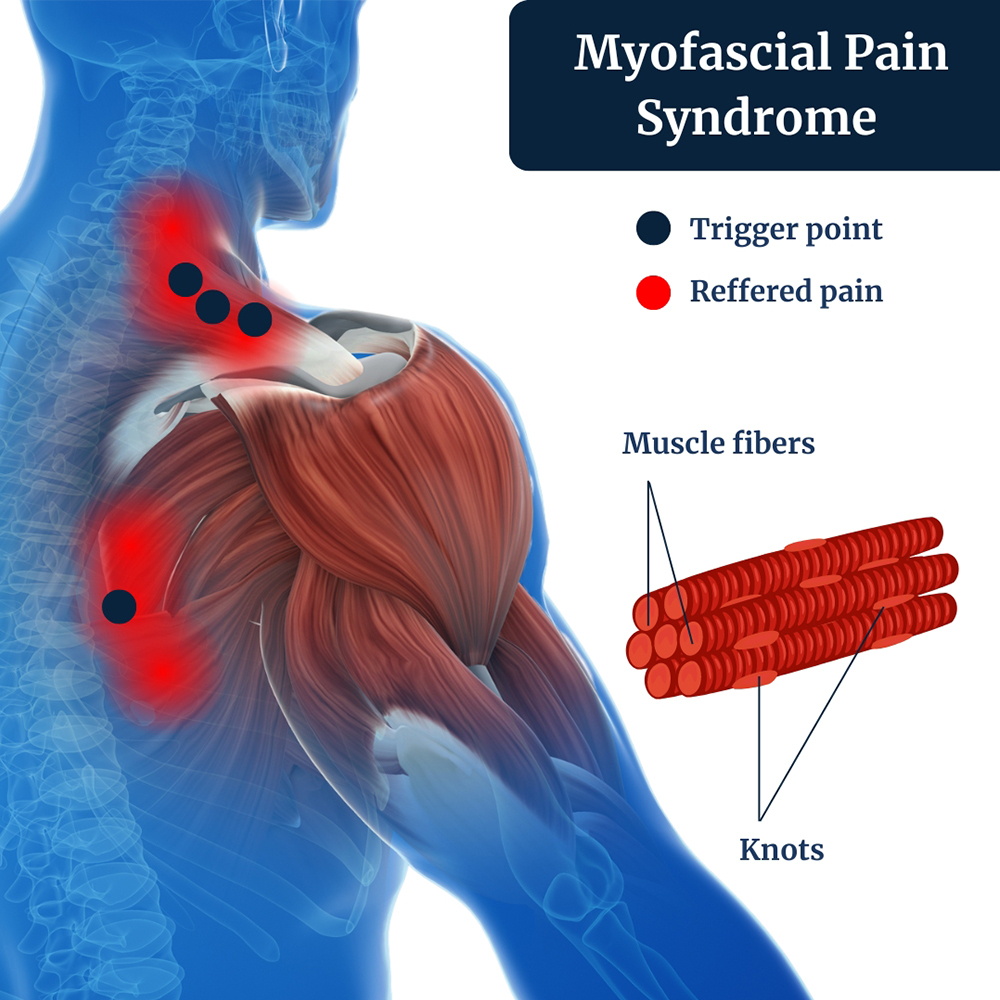
Myofascial pain syndrome is a condition that is more common in women, which often mimics temporomandibular joint dysfunction (TMJ) disorder. It causes orofacial and jaw pain and can be identified by facial trigger points. This syndrome can affect the muscles and result in musculoskeletal pain confined to a particular area. However, patients should learn about this syndrome in detail from a specialist to make informed decisions.
What are the causes of myofascial pain syndrome?
Although the exact cause of myofascial pain syndrome is not known, experts reveal that certain factors might contribute to the condition. Poor posture, muscle injury, repetitive strain, tooth loss, bruxism, emotional stress, and lack of physical activity might induce this syndrome.
Some underlying conditions, such as arthritis, can lead to this problem. Muscle injuries or overuse of muscles can form trigger points, which results in soreness, stiffness, and high sensitivity to touch.
What are the symptoms of myofascial pain syndrome?
- Sore and tender muscles
- Weak muscles
- Reduced range of motion
- Jaw fatigue or tightness during talking
- Muscle stiffness
- Tender muscle knots
What are the treatments for myofascial pain syndrome?
1. Physical therapy
Physical therapy plays a crucial role in treating myofascial pain syndrome. A specialist will use techniques such as stretching, posture correction, strengthening exercises, and manual therapies to release trigger points. Furthermore, they provide methods to restore normal muscle function with high efficiency.
2. Dry needling
Dry needling is an acupuncture technique that involves inserting thin needles into trigger points to relieve muscle tension and promote healing.
3. Medications
TMJ specialists will recommend pain relievers, muscle relaxants, or antidepressants to manage symptoms. On the other hand, they are often used alongside other treatments to ensure better results.
4. Massage therapy
Massage therapy, along with passive rhythmic, active rhythmic, and trigger point release techniques, will help reduce the symptoms.
5. Trigger point injections
In some cases, a specialist might suggest anesthetic injections or corticosteroid medications directly into trigger points that can provide relief from localized pain.
6. Ultrasound
Ultrasound therapy is the best option for treating myofascial pain syndrome, and it uses sound waves to penetrate soft tissues.
7. Stimulation therapy
Transcutaneous electrical nerve stimulation is an advanced technique that involves sending low-voltage electric signals from a small device to painful areas through pads attached to the skin.
Why do patients need support from myofascial pain syndrome specialists?
Patients who are experiencing persistent pain that doesn’t respond to conventional treatments should consider visiting The Bunny Teeth dental clinic in Chennai. This is because they treat the condition with advanced dentistry procedures. Furthermore, they follow the best practices in the diagnosis process and work along with others to recommend therapies or other treatments to patients.
Prevention and self-care
Anyone who wants to prevent myofascial pain syndrome should follow the steps below to reduce risks.
- Maintaining good posture throughout the day to reduce muscle strains or injuries
- Taking a break from repetitive tasks to prevent overuse of muscles
- Managing stress and incorporating exercises to keep muscles resilient and flexible